Carat is a measure of purity, not of quality or weight. When you sell gold for scrap, the carat of each piece is one of only two things that determine what it is worth – the other being how much it weighs.
Pure gold is too soft to wear
At 24 carat, gold is 99.9% pure. It is also soft enough to bend and scratch in ordinary use, which is why jewellery is almost always an alloy. Other metals such as copper, silver, zinc and palladium are mixed in to give the piece strength, and to change its colour.
The carats you will meet in the UK
- 9 carat (375) – 37.5% gold. By far the most common in British jewellery, and hard wearing.
- 14 carat (585) – 58.5% gold. More common in imported and American pieces than in traditional UK jewellery.
- 18 carat (750) – 75% gold. Usual for engagement rings and finer jewellery.
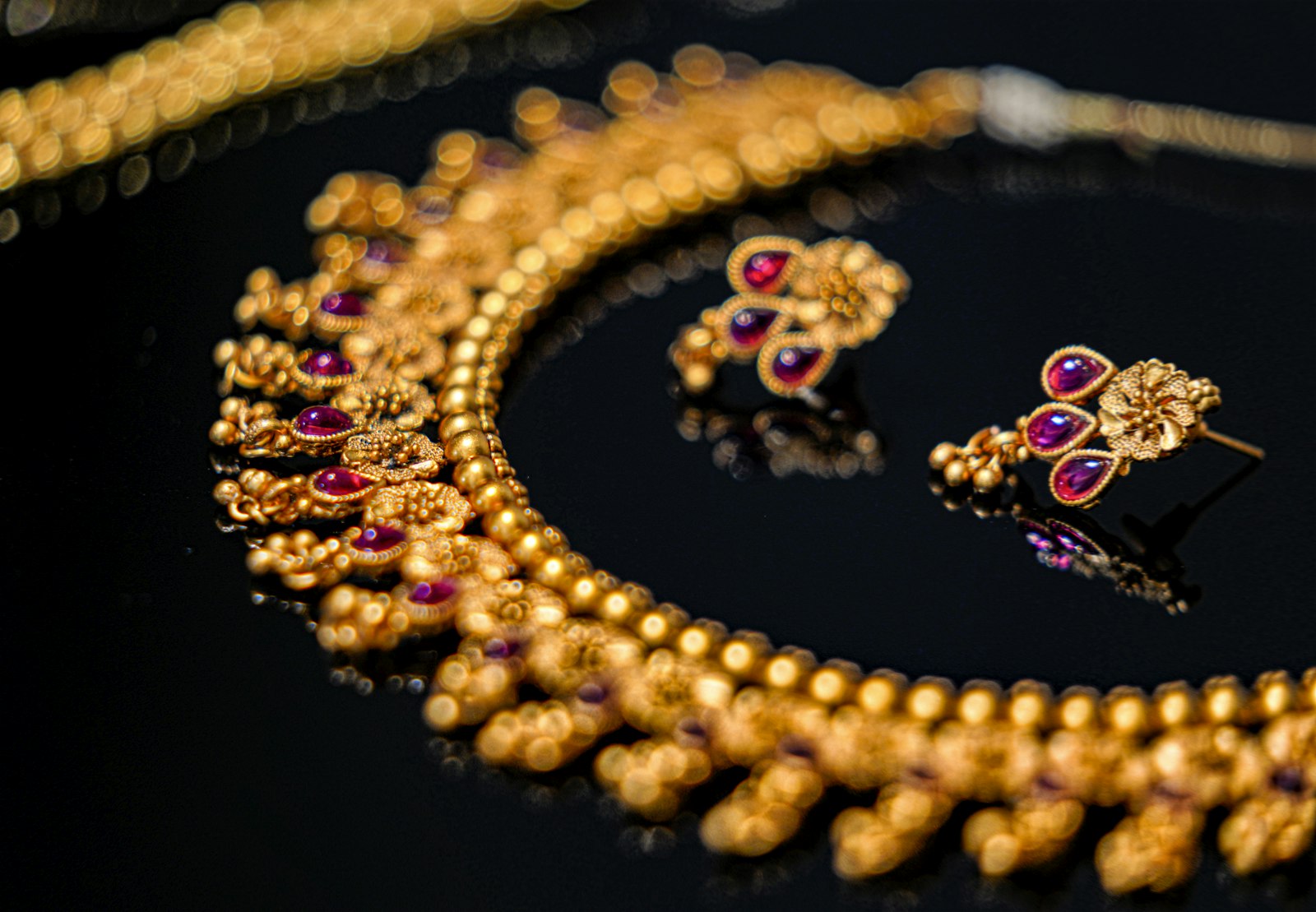
- 22 carat (916) – 91.6% gold. Common in jewellery from South Asia and the Middle East.
- 24 carat (999) – effectively pure. Normally found in bars and coins rather than jewellery.
Why this matters for scrap value
A scrap price is based on the pure gold content, so a gram of 18 carat contains twice as much gold as a gram of 9 carat, and is worth roughly twice as much. Two chains that look identical and weigh the same can be worth very different amounts if one is 9 carat and the other 18.
This is also why pieces should be sorted by carat before they are weighed. Mixing carats together and weighing them as one lot means the lower purity drags the whole lot down.
What about colour?
White gold, rose gold and yellow gold of the same carat contain the same proportion of pure gold. The colour comes from the alloy. White gold is often rhodium plated, which wears off over time and does not affect the gold content underneath.