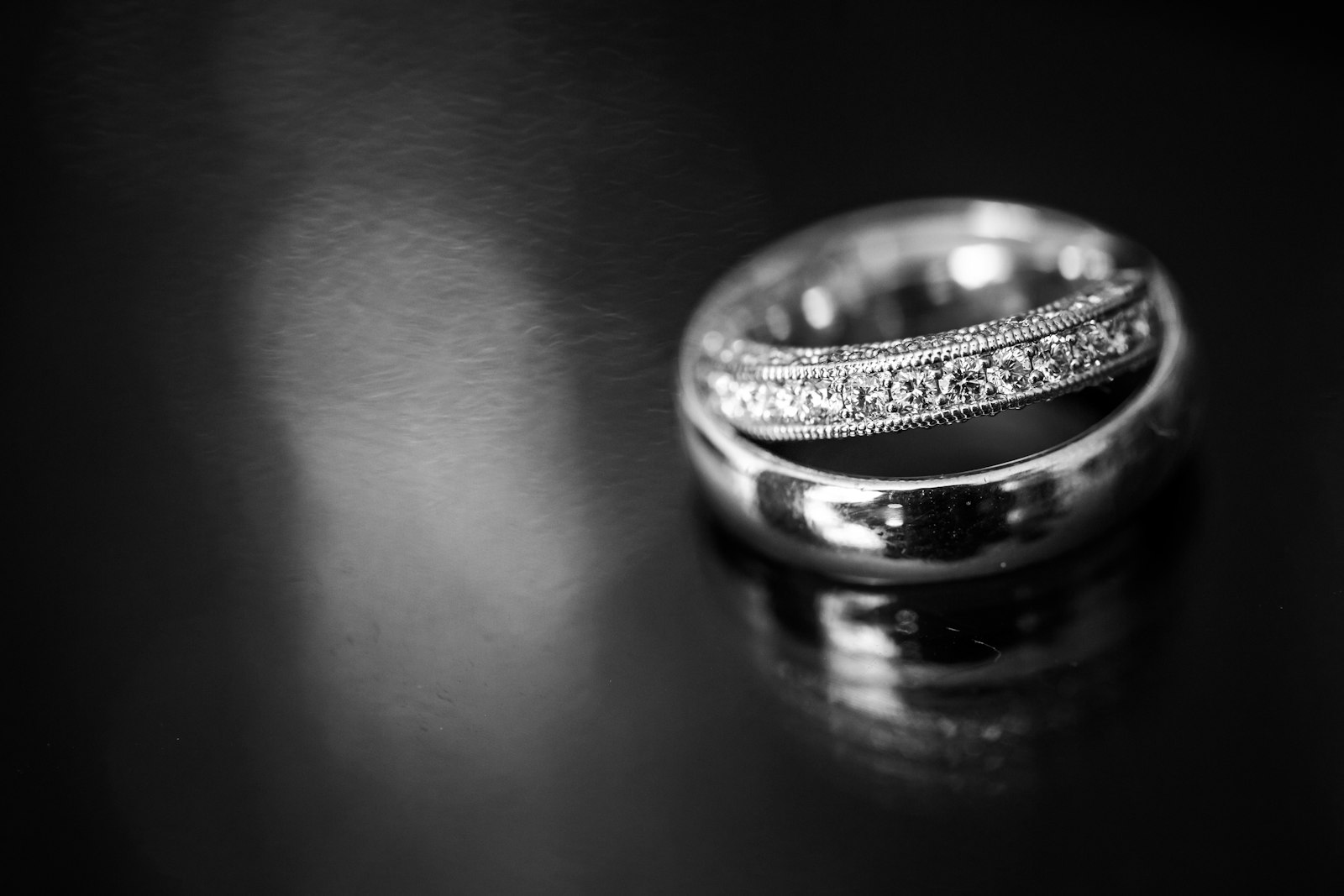
Gold is the metal most people think of when selling jewellery, but platinum and palladium turn up regularly, and they behave differently in a few ways worth knowing about.
Platinum
Platinum is denser than gold, so a platinum ring feels noticeably heavier than a gold one of the same size. It is also usually sold at a much higher purity than gold jewellery: common marks are 950, 900 and 850, meaning 95%, 90% and 85% platinum. UK hallmarked platinum has been marked since 1975.
Because the purity is high, a platinum piece contains a lot of precious metal for its size. Whether that translates into more money than an equivalent gold piece depends entirely on where the two metals are trading at the time, and that relationship changes.
Palladium
Palladium is in the same family as platinum but much lighter. It became a UK hallmarked metal in 2010, so pieces made before then may carry no mark. Common finenesses are 999, 950 and 500. It is often found in white gold alloys as the whitening agent, and in some men’s wedding bands.
Telling them apart
Platinum and white gold look similar and are easy to confuse. Two practical differences:
- White gold is normally rhodium plated and develops a faint warm tint as the plating wears. Platinum does not, because its colour goes all the way through.
- Platinum is significantly heavier for the same size.
The hallmark settles it. Where there is no mark, the metal has to be tested.
Why the prices move differently to gold
Gold demand is driven substantially by jewellery and by investment. Platinum and palladium have large industrial uses, particularly in vehicle catalytic converters, so their prices respond to industrial demand in a way gold’s does not. That is why the three metals do not move in step.