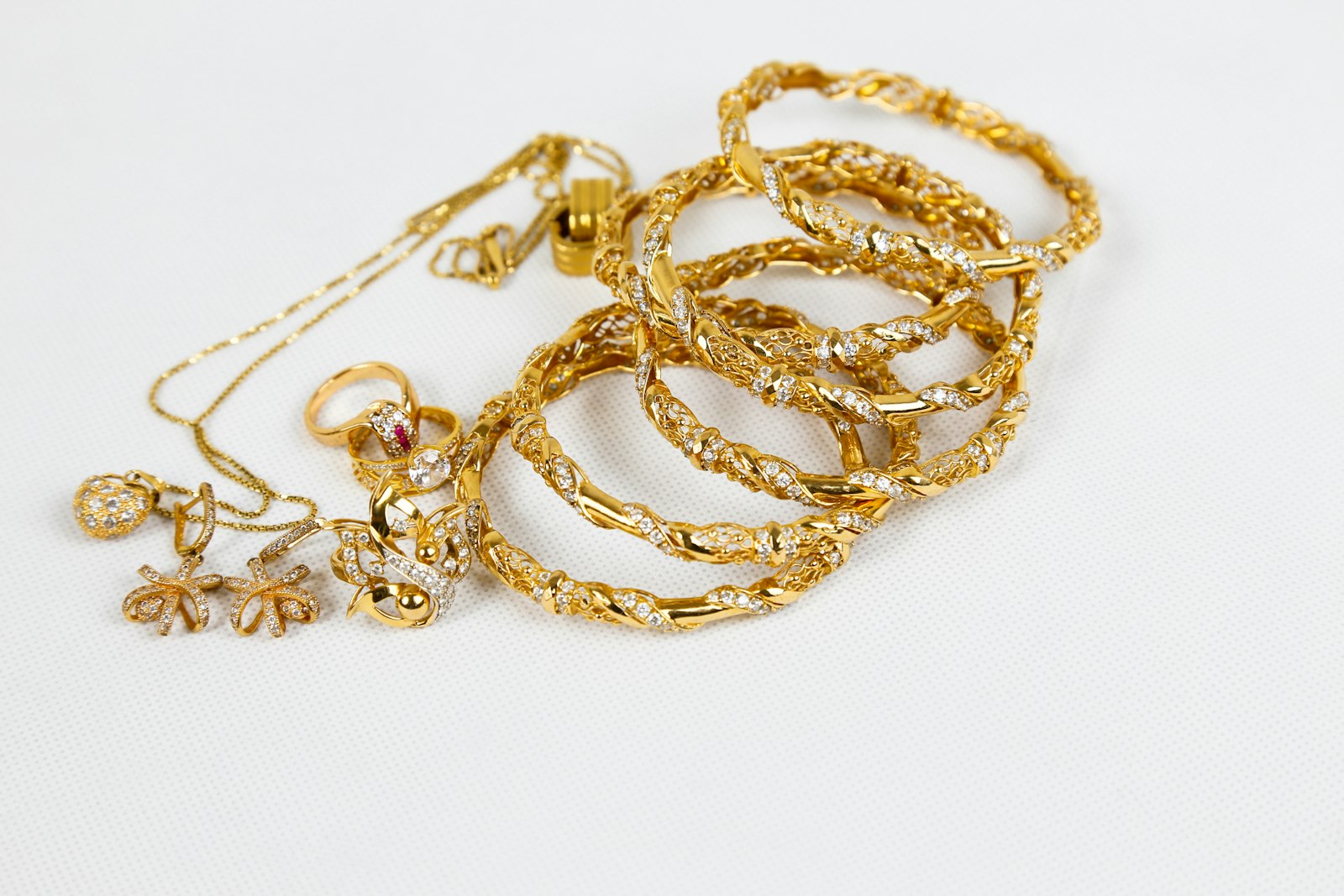
A drawer of odd earrings, snapped chains and bent rings is one of the most common things people bring in, and it is often assumed to be worthless. For scrap purposes, damage makes no difference at all.
Why condition does not matter
Scrap value is the value of the metal. A chain that has broken in three places contains exactly the same amount of gold as it did when it was whole. Once it is refined, the form it arrived in is irrelevant. The same is true of dents, scratches, missing stones and worn plating on white gold.
The things worth digging out
Items that usually turn out to have value and are often overlooked:
- Single earrings where the pair has been lost
- Broken chains and clasps
- Rings that have been cut off or resized badly
- Charm bracelets with charms missing
- Dental gold
- Old wedding bands
- Pendant mounts with the stone long gone
Where the exception lies
The one case where damage matters is when a piece would otherwise be worth more than its metal. A broken antique brooch might still be worth restoring; a broken modern 9 carat chain almost certainly is not. If a piece is signed, old, or came in a fitted box, ask for it to be assessed separately before it goes on the scrap scale.
Mixed-metal pieces
Plenty of jewellery combines precious and non-precious parts – a gold pendant on a base metal chain, or a silver watch case with a steel back. These are perfectly sellable. The non-precious parts are simply separated out and deducted, so you are paid for what is actually there.