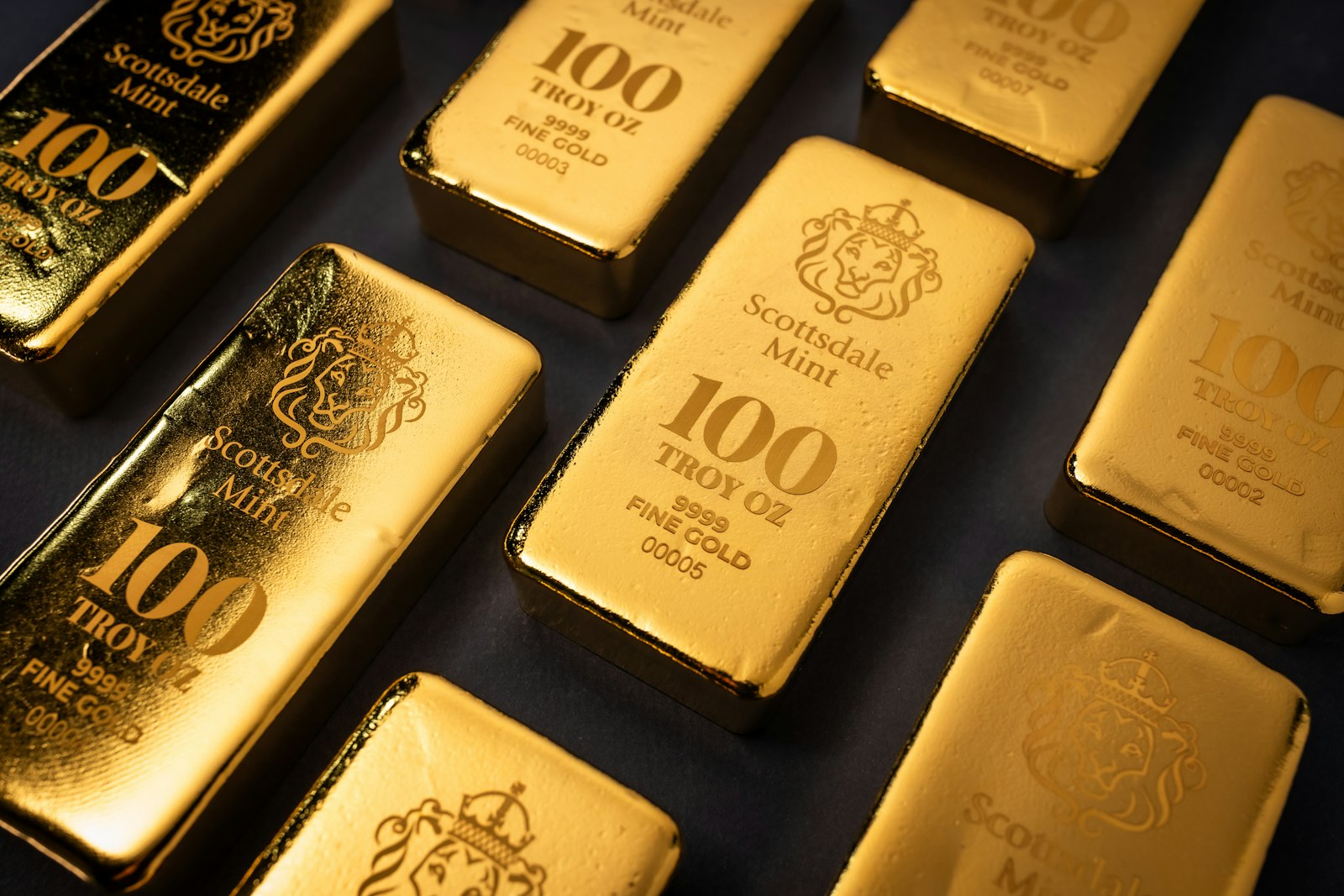
Two people can bring in similar looking jewellery on the same day and be offered different amounts. The difference is rarely arbitrary – it comes down to a small number of measurable things.
The spot price of the metal
Gold, silver, platinum and palladium are traded on international markets, and the price moves throughout the day. In London, the price is fixed twice daily in an auction process that gives the market a reference point. A scrap price offered on Tuesday will not be identical to one offered on Friday, because the underlying metal price has moved.
Purity
As covered in our guide to carats, the proportion of pure metal in each piece is what is actually being bought. Higher carat means more gold per gram and a higher price per gram.
Weight
Measured in grams, after non-metal components have been deducted. This is simple arithmetic once purity is established.
The exchange rate
Precious metals are quoted internationally in US dollars. A UK price therefore depends on the dollar to sterling rate as well as on the metal price itself. It is quite possible for the dollar gold price to be flat while the sterling price moves, purely because the exchange rate has shifted.
The buyer’s margin
No buyer pays the full market rate, because the metal still has to be assayed, refined and resold, and that costs money. The margin is the difference between the market price and what you are offered. It varies between buyers, which is why it is worth asking what percentage of the spot price is being offered rather than just comparing headline figures.
What should not affect the price
Condition, tarnish, damage, whether the piece is fashionable, and whether it is complete make no difference to scrap value. Any of those things may matter if the piece is worth selling intact, but not once it is being bought as metal.