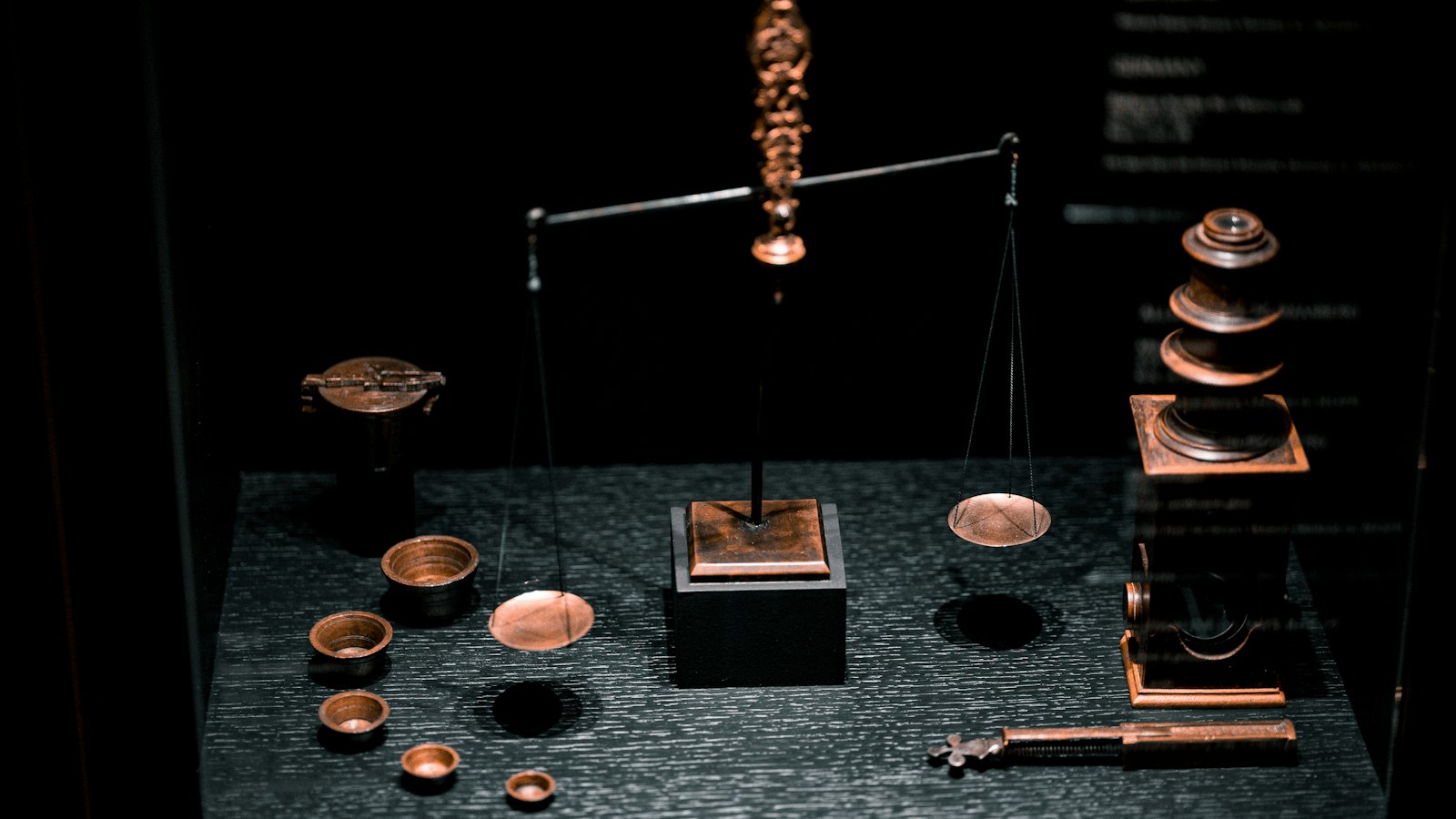
Scrap precious metal is bought by weight, and in the UK that means grams. Understanding how the weighing works makes it far easier to check that an offer is fair.
Grams, ounces and troy ounces
Precious metals are traded internationally in troy ounces, not the ounces used for food. One troy ounce is 31.1035 grams, which is heavier than a standard ounce at 28.35 grams. Market prices you see quoted are almost always per troy ounce, so a price per gram is that figure divided by 31.1035.
Sorting comes before weighing
Because value depends on purity, items should be separated by metal and by carat before anything goes on the scale. A proper buyer will sort your 9 carat from your 18 carat, and your silver from your gold, and weigh each group separately. If everything is being tipped onto the scale at once, ask why.
What gets deducted
Only the precious metal is paid for. Anything that is not gold, silver, platinum or palladium has to come off the weight, which typically means:
- Stones, including diamonds and cubic zirconia
- Watch movements, batteries and glass
- Springs, clasps and pins made of steel
- The base metal core of plated or rolled gold items
Some pieces, such as stone-set rings, have to be assessed with the stone in place and the stone weight estimated or removed.
Scales you can trust
A buyer weighing your metal should be using scales that are legal for trade, and the display should be visible to you while your items are being weighed. You are entitled to see the weight and the carat that each figure is being calculated from.
If you want to check at home first, kitchen scales will give you a rough idea but are rarely accurate to the tenth of a gram, which is the resolution that matters.